Roll up, roll up, get it while it's hot… it's the latest edition of the Point 6 Brightside Blog and it's been perfectly packaged for your perusal.
This month, we're talking ground-breaking Alzheimer's treatments, disabled parrots, methane-busting beef and probably one of the greatest British sporting stories ever. Bon appétit.

Ace!
When I was 18, my hardest decision involved whether to choose prawn cocktail crisps or a Boost bar with my Tesco meal deal, not where to aim a rifling serve to win one of the most prestigious sporting titles in history.
Normally in the Brightside Blog, we like to cover stories that aren't necessarily front-page news or have perhaps gone under the radar. This story is not that. In fact, it's probably been covered by every major sports publication in the world, and that's the inspiring tale of British tennis' new star, Emma Raducanu.
Everything that will be said about her phenomenal rise from starlet to household name has probably been said already, but we didn't want to let this incredible story of resilience and skill pass by unmentioned. Raducanu took home the US Open trophy this month after needing to qualify (higher-ranked players are entered automatically). She entered the competition ranked 338 in the world and now sits at number 23. She's 18 years old and won a major tennis grand slam — contested by the world's best players — without even losing a set.
Away from the court, sports marketing experts are already predicting her to make hundreds of millions in sponsorship deals and tournament prize money. She seems lovely, too, for what it's worth, and has spoken candidly about mental health and the pressures of elite sport already in her short time in the public eye. All of this considered, we might just be witnessing the rise of the next global sports star.
Rock 'n' Rover

We're taking a trip back to Mars with this next story, and there's more big news coming from Perseverance — the rover sent by NASA to explore our giant red neighbour.
The US space agency has confirmed that Perseverance has retrieved its first rock sample. It's an historic moment, with the core representing the first ever rock section collected on another planet intended for return to Earth. After the latest attempt to extract a rock sample produced nothing more than a pile of dust back in March, it is a landmark win for scientists.
It's expected that over the next few years Perseverance will collect around a dozen more samples for analysis, with scientists keeping their fingers crossed that traces of ancient microbial life will be detected. Now that really would be something — and would represent some of our strongest evidence yet for extra-terrestrial life.
Oxygen therapy for Alzheimer's patients
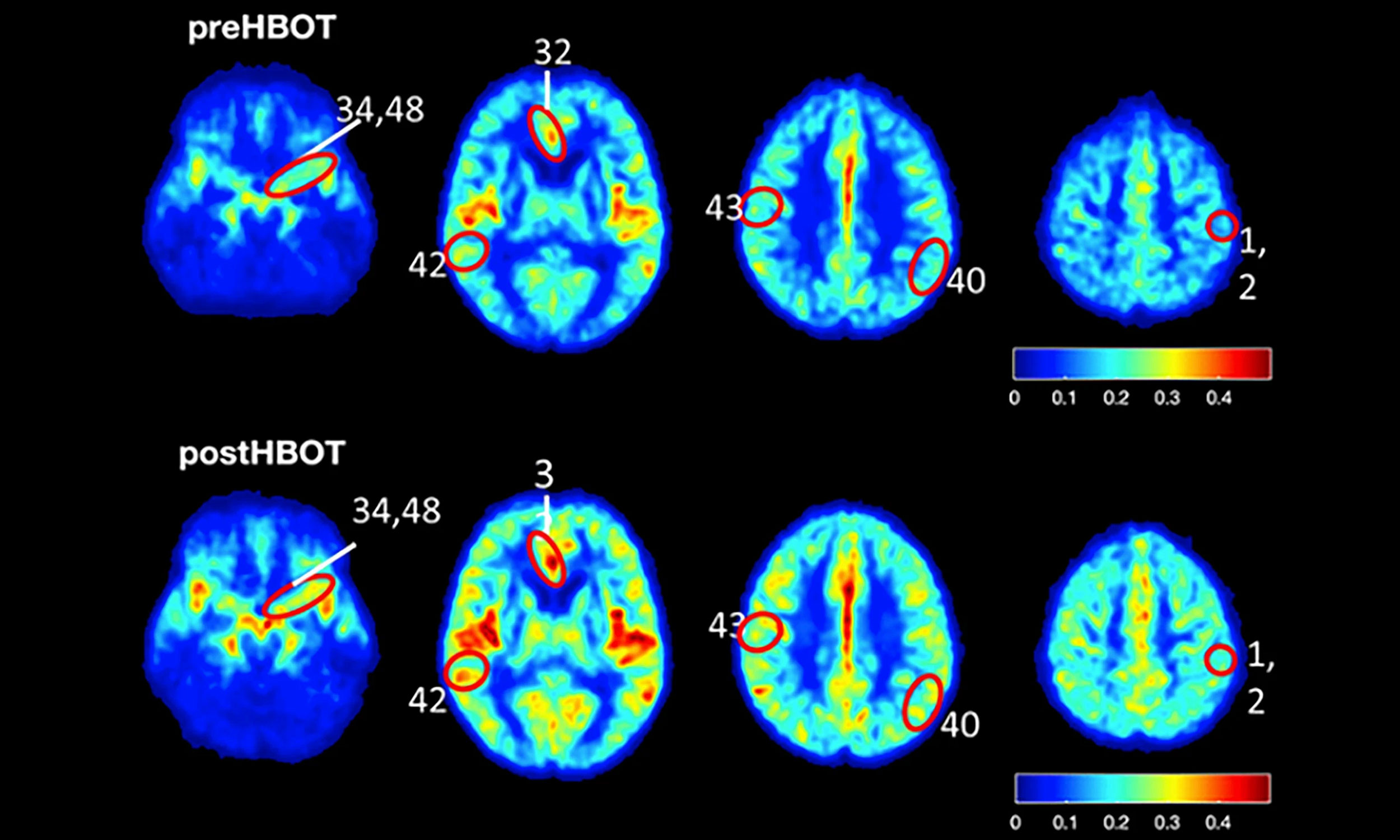
Scientists at Tel Aviv University have recently conducted a study that has revealed that hyperbaric oxygen therapy (HBOT) is effective in improving cerebral blood flow in elderly patients by up to 23%. By exposing patients to a specific atmospheric pressure, the effects of brain trauma start to diminish and brain tissue even start to rebuild.
The technology behind the treatment has been in use for years; it's considered safe and effective, and is used to treat various medical conditions. The latest findings, however, are giving healthcare professionals hope that the methods could not only help to ease the symptoms of Alzheimer's, but actually prevent the development of the disease in the first place.
Dr. Ronit Shapira of Tel Aviv University says that the results from this new research "raises the hope that we will now be able to fight one of the greatest challenges to the western world. According to our findings, hyperbaric therapy given at a young age is likely to prevent this severe disease entirely."
A-bove and beyond
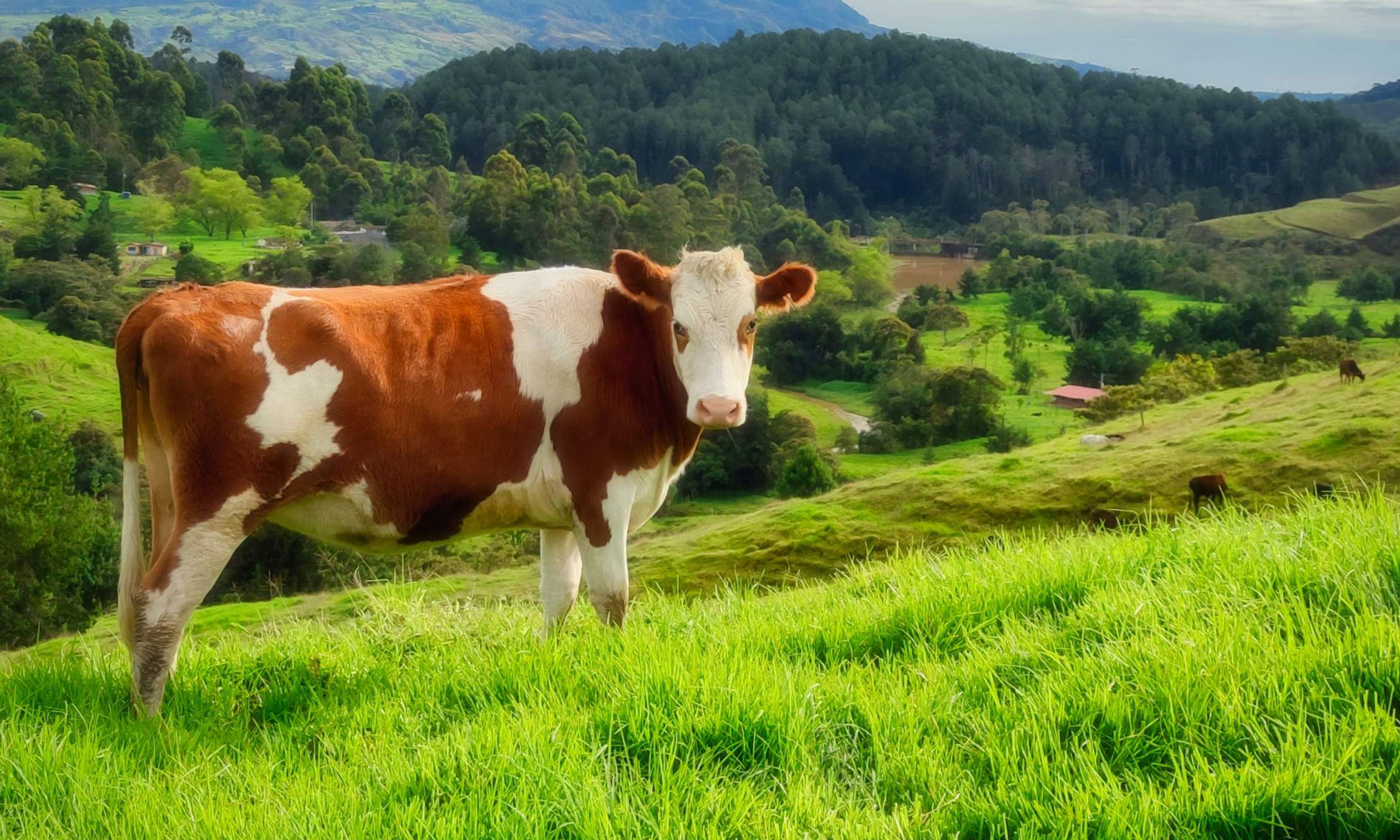
It's fair to say that the meat industry is not exactly famed for its sustainable practices or environmental conscience. But when the world's biggest beef exporters — Chile and Brazil — make a small change that could reduce the carbon footprint of cattle farmers everywhere, then people tend to take notice.
Royal DSM is a global science-based company devoted to 'doing something meaningful' (that's where the 'DSM' comes from), and one very meaningful thing it's done is develop a methane-busting food additive called Bovaer. One element of cattle farming that is so damaging to the environment is… well, the cows fart a lot. And those farts release methane which is trapped in the Earth's ozone layer, causing the greenhouse gas effect that increases temperatures, melts the ice caps, raises sea levels and all that other apocalyptic stuff.
But with a bit of Bovaer — a quarter of a teaspoon, per cow, per day is enough — methane production is reduced by up to 55%, easing the impact that cattle farming has on the planet. Bovaer is already given to sheep and goats, and now their bovine brothers are in on the act. It's super safe and has zero negative symptoms for the animals, whilst also maintaining the tastiness of the meat or dairy.
Spruce up, Bruce
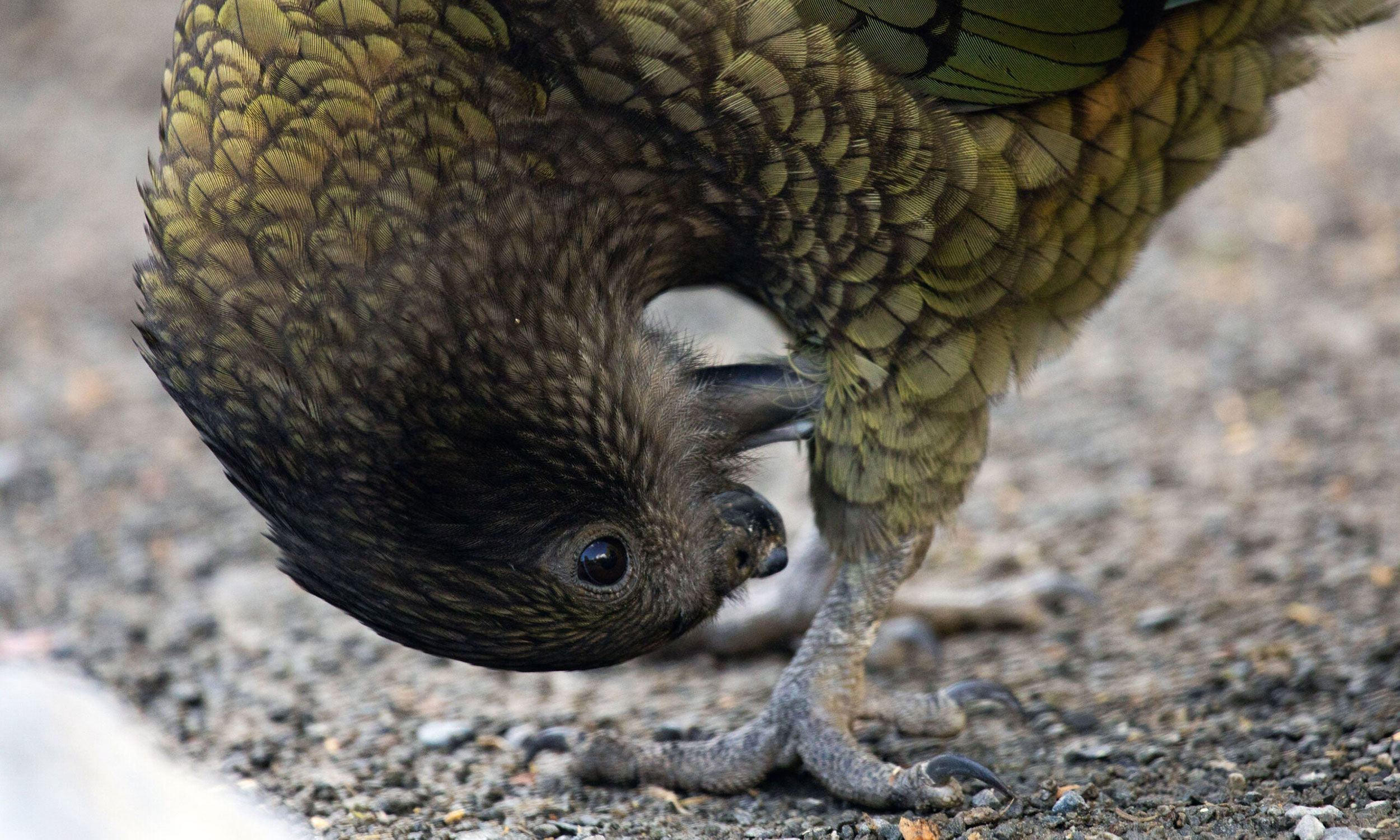
Animals are constantly proving their intelligence to humans and continuing to surprise us with the amazing things they can achieve. This month's special shout out is reserved for Bruce, a disabled Alpine Kea (a species of parrot) who has learned how to use pebbles to clean himself.
There are countless examples of animals using tools in the wild, the most high profile of which are usually seen in primate species using rocks to bash nuts or fruit open. It's a clear demonstration of intelligence, planning and adaptation. Bruce, however, is less adapting to his surroundings and more adapting to his circumstances.
When scientists found baby Brucey back in 2013, a large section of the top half of his beak was missing, essentially giving him a huge underbite. One key function of many beaks is cleaning and preening feathers, something that Bruce might have found difficult to do. Instead, this brainy bird collects small pebbles, which he rolls under his tongue (to check suitability) before using them to get in between his thick plumage.
The cynics among us may scream coincidence, but scientists who have observed Bruce in action outline some clear reasons why they're happy to conclude that the act is very much intentional and thought out. Firstly, 90% of the pebbles Bruce picks up he then uses to preen with. Not even one of the other parrots in the reserve has been observed picking up pebbles, never mind using them for anything. Bruce also stops cleaning if he drops the pebble, only resuming once he has it in his beak again.
Just look at him! Amazing.
Have a great month, stay safe and we'll catch you next time. Can't wait that long? We understand. Get your chops around this in the meantime...