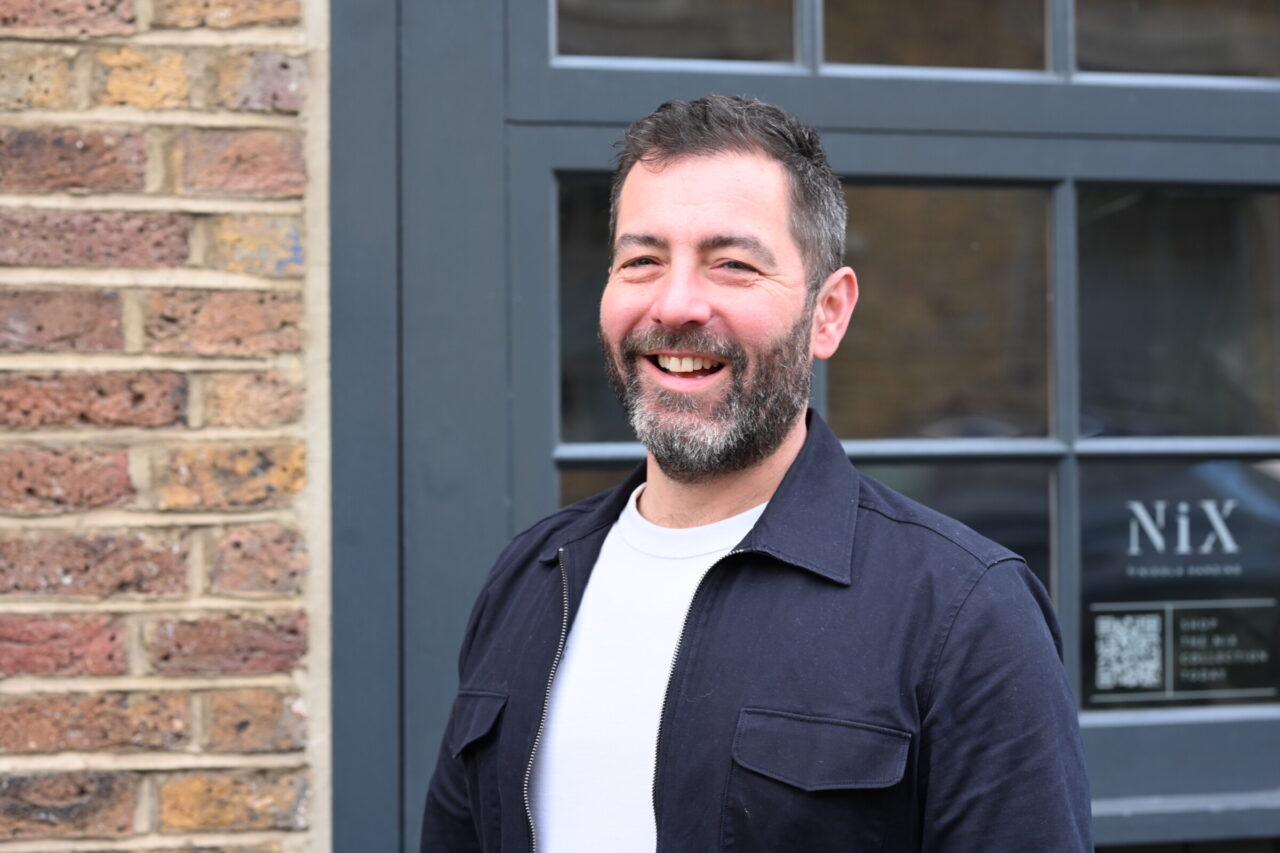
See ya later chocolate, bye bye booze, in a bit fizzy drinks — plenty of us have flirted with abstinence at some point in our lives. But while cutting out indulgences like sweet treats and alcohol are some of the more common choices, our creative director Russ Hodgson embarked on a slightly different journey: plastic-free Lent.
Russ isn't religious, but from March 5th to April 17th, he tried to cut as much single-use plastic out of his life as possible. You can see how it went — he posted (almost) daily — and read the 10 things he learnt on his LinkedIn page.
As it turns out, going plastic-free is like trying to avoid oxygen — it's practically impossible in our modern world. A couple of months on from his mission, we wanted to explore why.
The price of principles
Perhaps the most significant barrier to going plastic-free is the cost. Throughout his 40-day journey, Russ continually found that making the sustainable choice meant spending significantly more.
Take Day 13 of his experiment. Tesco's regular plastic-wrapped pasta costs roughly half the price of their Finest range pasta, which comes in paper packaging. Both are made in Italy. Both products look the same, they're just dressed differently. And unless you've got the palate of a Michelin-star chef, you'd struggle to detect a distinction in taste.
This premium pricing for plastic-free options creates an impossible choice for those on limited budgets. Management consulting company Kearney found that sustainable products are 75–85% more expensive. When you're struggling to make ends meet, paying double for pasta simply because it comes in paper isn't a viable option. There's only ever going to be one winner in that scenario, and it's not the environment.
The cynical reality is that many brands have associated paper packaging with premium products, allowing them to charge higher prices while appearing environmentally conscious. It's a clever marketing strategy, but one that puts sustainability out of reach for the average consumer.
As Russ notes in his reflections: "Going plastic free is either difficult or impossible for those on limited budgets — let alone those struggling to put food on the table... Is being more sustainable a lifestyle choice for those who can afford it?" Unfortunately, the answer seems to be yes.
The time tax
Beyond the financial burden, going plastic-free imposes what we might call a "time tax." In our already busy lives, the additional time required to shop sustainably can be prohibitive.
When Russ embarked on his plastic-free journey, he quickly discovered it wasn't just a matter of shopping differently but shopping more. Instead of a convenient one-stop visit to the supermarket, plastic-free living often means visiting multiple specialty shops:
- A local bakery for bread in paper bags
- A refill shop for pantry staples
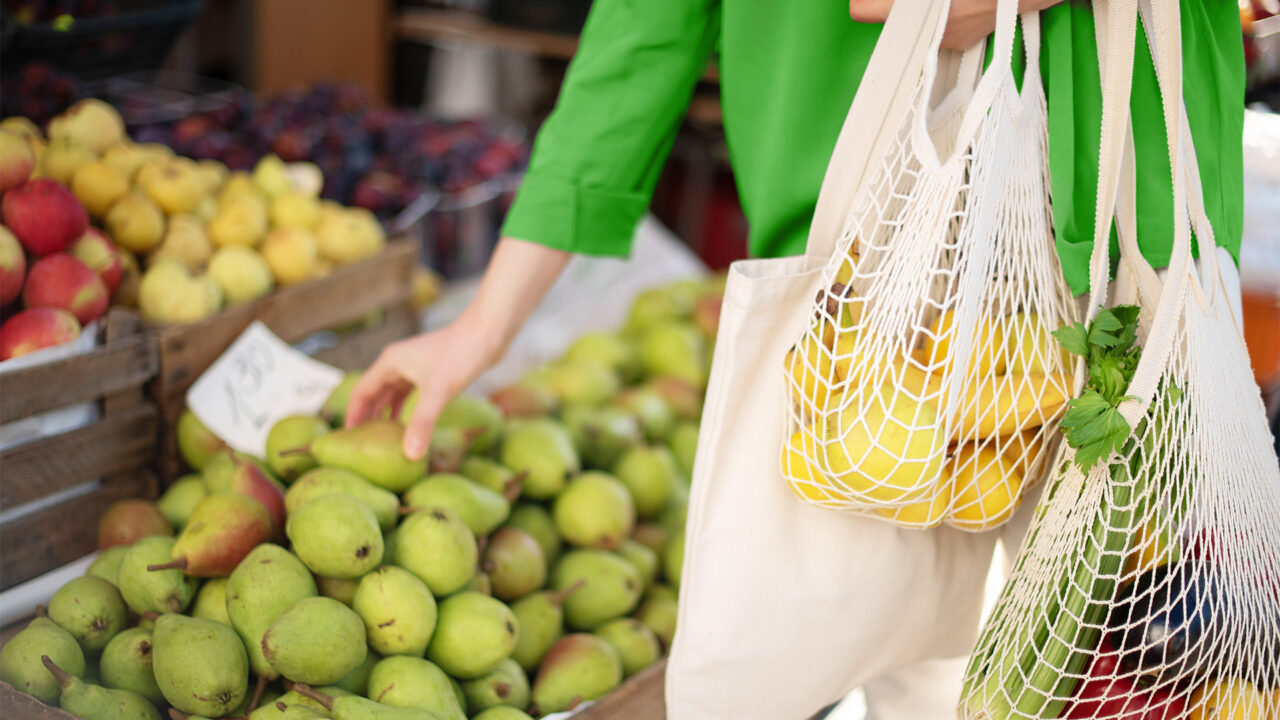
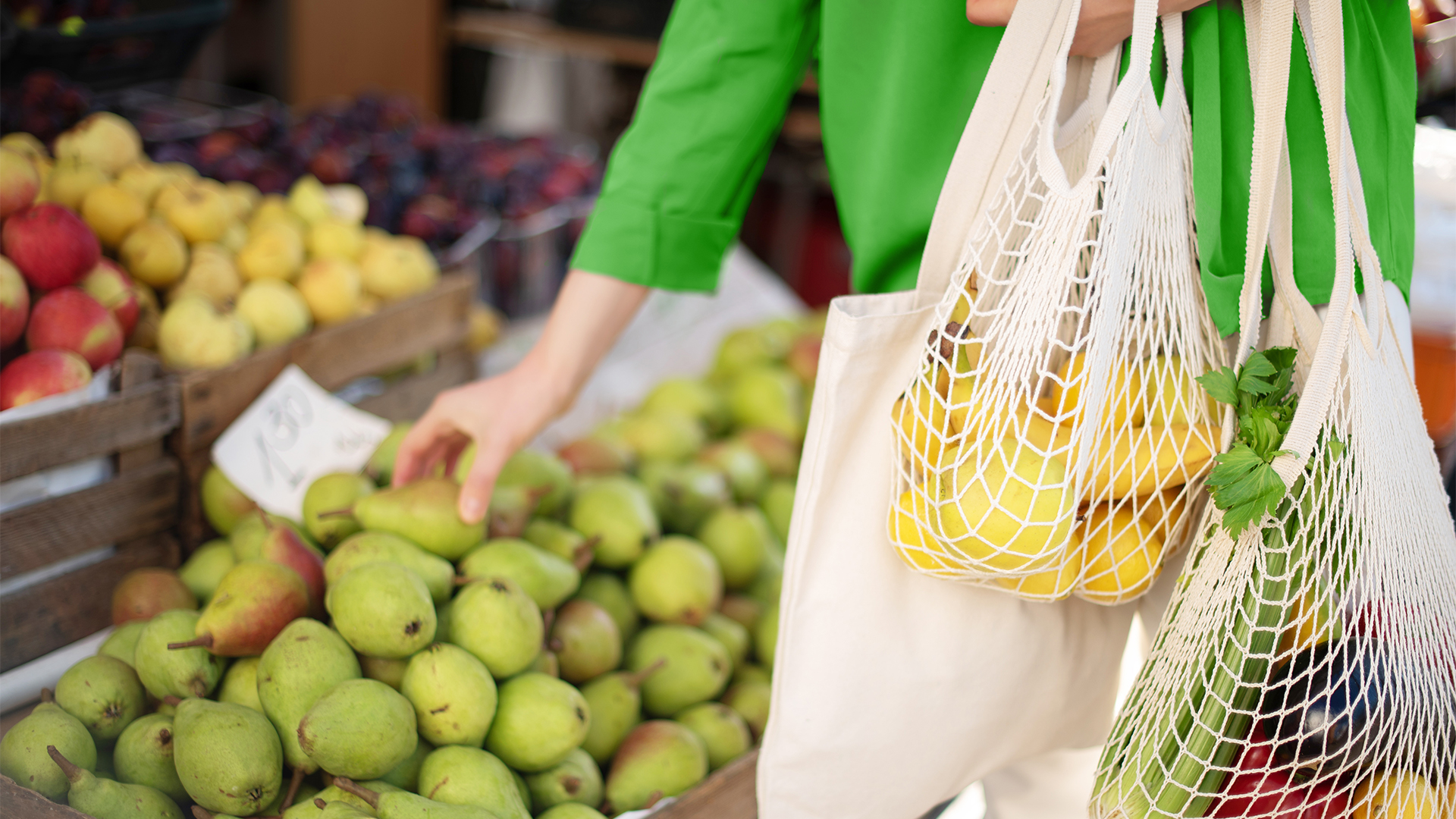
- A farmer's market for loose fruits and vegetables
- A butcher for meat wrapped in paper
For someone with a demanding job, family responsibilities, or both, this level of planning and additional shopping time simply isn't practical. And maybe it's not even realistically possible, given fewer and fewer of these types of shops line our high streets.
As Russ observes, "The awkward bedfellow of 'more expensive' is 'more time-consuming'. If you are 'time poor' and/or financially poor, it will be tougher still."
So, what about if you want to do the next best thing and ensure you recycle your plastic properly?
While facilities might be plentiful in urban centres hubs, the options dwindle dramatically in suburban and rural areas. A quick search on RecycleNow.com in my locality (Zone 2 North London) shows quite a few options roughly within a mile. The same search using my mum's postcode (a small suburban town in Manchester) revealed just one facility within a mile, with all other options requiring a car or public transportation.
Not convenient — and convenience is king when you're asking people to amend their routines. Which brings us onto…
Behavioural change
Going plastic-free doesn't just require spending more money and time — it demands a complete behavioural overhaul.
Russ writes: "You must always plan ahead — as you may need to visit shops that stock loose fruit and veg, go to a refill shop, bakery, make your own food, make other choices than those not presented to you as convenience options."
There's an awful lot to remember, like:
- Taking your reusable shopping bags
- Bringing your coffee cup
- Packing your water bottle
- Carrying reusable cutlery
- Checking packaging before purchasing anything
- Planning meals to avoid food waste
- Researching plastic-free alternatives
And even with the best intentions, plastic still finds its way into our lives. Think about it: every cardboard cereal box contains a plastic bag inside. Bread comes in plastic bags. Pasta, rice, legumes — all typically packaged in plastic. Fresh produce often comes pre-wrapped in plastic film. Even "paper" tea bags contain plastic.
It's enough to make even the most dedicated environmentalist throw up their hands in defeat.
Consumer culture and vested interests
Our plastic predicament didn't happen overnight.
As Russ notes, you can trace our current "always on" food mindset back to the USA in the 1950s — when post-WW2 economic prosperity, the birth of consumer power, supermarkets, and convenience food created a new world of possibilities with some hidden consequences.
Today, we think nothing of eating Peruvian blueberries in the UK in December. Food from halfway around the world, encased in plastic packaging, often costs less than locally grown alternatives. Our expectations have been shaped by this abundance and convenience, making it difficult to voluntarily return to a more sustainable way of life.
Meanwhile, vested interests create substantial barriers to reducing plastic packaging. As Russ observes, "As ever, increasing shareholder value drives most business decisions." Oil companies, which provide the raw materials for plastics, continue to award huge dividends to shareholders at the expense of the planet.
Supermarkets squeeze suppliers to reduce costs and stay competitive. If those suppliers are pressured to "be greener," either consumers will pay more, or the businesses will have to absorb the costs themselves. With such economic dynamics at play, the incentives to go plastic-free are minimal without intervention from those at the top.
The major microplastics problem
A lot of the plastic conversation is focused on the implications for the planet's health. But what about our own?
Microplastics — tiny plastic particles less than 5mm in size — have infiltrated every corner of our world. They're in the deepest ocean trenches and the highest mountain peaks. They're in the air we breathe, the water we drink, and the food we eat. Recent studies have even detected microplastics in human blood and placental tissue.
The University of Stanford says: "Microplastics exposure could be linked to cancer, heart attacks, reproductive problems, and a host of other harms. Yet few studies have directly examined the impact of microplastics on human health, leaving us in the dark about how dangerous they really are."
Plastic never goes away completely. It just gets smaller and smaller until we're able to ingest it without even noticing. Some studies say that humans consume up to a credit card-size amount of microplastics every week. And the fact that we're yet to fully realise the devastating impact this could have on our bodies is frankly terrifying.
The ubiquity of microplastics highlights another uncomfortable truth: even if we personally reduce our plastic consumption, we're still exposed to plastic pollution on a microscopic level. It's a global problem that requires systemic solutions.
Plastic is pretty good (for some things)
Another awkward truth we have to confront is that plastic packaging works incredibly well. And that's precisely what makes avoiding it so challenging.
Plastic allows for effective sterilisation, ensures food security, creates water-tight containers, and keeps perishable food fresh. For meat, fish, and dairy products, that protective plastic film shields them from oxygen and prevents harmful microbial growth. It's lightweight, durable, and incredibly versatile.
But as Russ discovered, this efficiency comes at a devastating environmental cost. The very properties that make plastic so useful — its durability and resistance to degradation — are the same qualities that make it persist in our environment for hundreds of years.
The real kicker? Alternatives exist, whether that be non-plastic packaging, recyclable plastic, or non-virgin plastic. But they're not widely available to the average consumer.
A call for corporate responsibility
So where does this leave us? The conclusion is clear: it's practically impossible for average consumers to cut plastics out of their lives, and big corporations can and should do much more to help.
Instead of placing the burden on individuals — many of whom are already struggling with the cost of living, time pressures, and other stresses — we need to demand more from the companies profiting from plastic production and use.
Corporations have the power to:
- Invest in developing affordable, accessible plastic alternatives
- Redesign packaging to eliminate unnecessary plastic
- Implement effective recycling programs at scale
- Lobby for legislation that promotes sustainability
- Absorb the costs of transitioning away from plastic rather than passing them on to consumers
Until these systemic changes occur, individual plastic-free journeys like Russ's will remain admirable, but exceptional, experiments rather than viable lifestyle choices for the majority.
Reasons to be optimistic
There may be some flashes of hope on the horizon.
Unlike traditional mechanical recycling, emerging advanced methods work chemically. Technologies like pyrolysis and gasification break plastics down into valuable raw materials that can be rebuilt into products identical to those made from virgin plastic —and then recycled again and again.
Europe is leading this revolution with over 100 advanced recycling technologies in development, while the US has invested more than $7 billion since 2017. Products made from advanced recycled plastic are already appearing on shelves, from shampoo bottles to ice cream packaging.
Challenges remain, including energy requirements and scaling up capacity. But if the technology fulfils its potential, we might soon recycle 90% of what currently goes to waste. For consumers tired of sorting plastic that may or may not actually get recycled, the dream of simply tossing it all into one bin, knowing it will have multiple meaningful afterlives, is becoming increasingly possible.
Many councils, retailers and businesses also offer takeback and recycling programmes — Terracycle being one example. And companies are slowly developing alternatives to traditional plastic packaging. Take iPac, who have developed solutions such as Prevented Ocean Plastic (POP) — recycled plastic gathered from coastal areas at risk of ocean pollution. They claim POP "prevents over 190 tonnes (equivalent to 15 million 500ml bottles) of plastic from reaching the ocean each year".
But the hard truth remains: individual action alone cannot solve this problem. As Russ concludes in his reflections, plastic packaging "is a political and commercial issue with socio-economic implications... Legislators, and/or large wholesalers/retailers are the only ones who can influence things at scale."
Change from the top
Expecting ordinary consumers to solve the plastic crisis through "consumer power" is unrealistic when most people cannot afford to make entirely plastic-free choices. Progress will be painfully slow without systemic change.
As we look to the future, perhaps the most important takeaway from Russ's plastic-free journey is not a checklist of ways to reduce personal plastic use, but a call to redirect our focus. Rather than placing the burden on individual consumers, let's demand accountability from those with the power to make meaningful change.After all, in a world where plastic is practically everywhere, going plastic-free shouldn't have to feel practically impossible.