With the recent rise of affordable, copywriting-capable AI chatbots like ChatGPT, it may seem like an unnecessary cost to employ copywriters. These AI systems have proven to create engaging, on-brief copy and they are sure to be prevalent in the near future. But there is still so much that a human copywriter can do that AI can't. Here at Point 6, we are considering how we can use AI chatbots to help us create content that will perform even better.
What is ChatGPT?
ChatGPT is a form of Artificial Intelligence that uses Natural Language Understanding (NLU) and Natural Language Generation (NLG) to turn questions and briefs into comprehensive copy. It is designed to mimic real conversations. Its abilities include elaborating on a point, recalling things that were previously said in the conversation and apologising when it makes a mistake.
Developed by OpenAI (the creators of DALL-E 2, another popular AI programme which uses descriptive natural language input to create realistic images), ChatGPT was released in November 2022. OpenAI is using Reinforcement Learning from Human Feedback (RLHF) as a development tool to improve the AI. They are currently trialling the software for free, with plans to add a usage fee further down the line. During this trial period the AI will continue to learn from the information that users input.
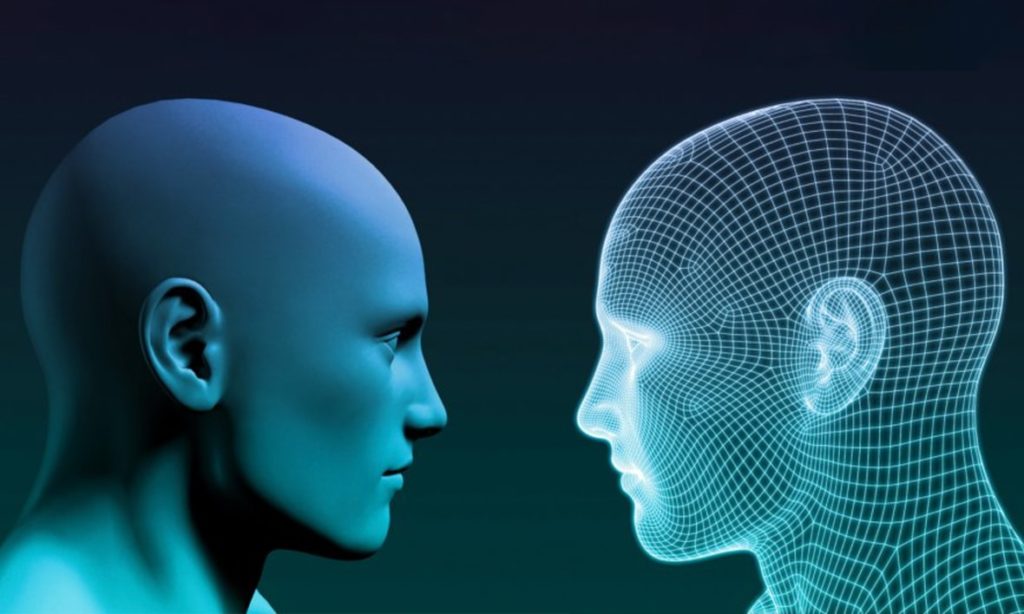
There are a vast range of capabilities that ChatGPT has to offer. It has proven its ability to execute briefs ranging from blog articles to social media captions, speeches, and academic essays. It has a function called 'intelligent recap' that enables it to summarise vast amounts of complex information and tailor its summary to different audiences. Its ability to understand complicated topics and put them into layman's terms can reduce the time we spend researching and trying to understand a piece of information. It also has some language translation abilities and can be a useful tool for brainstorming content ideas from keywords.
Naturally, ChatGPT still has its limitations. It sometimes fails to read context and conversational nuance. Its output must be monitored to ensure it is free of offensive content, and of course it will be biased to whatever information it has access to.
ChatGPT may have caught everyone's attention, but it is not the only AI available that is capable of writing copy. This week, while OpenAI and Microsoft announced their plans to integrate the AI into Microsoft's search engines, Bing and Edge, Google announced the anticipated release of its own similar AI software, Bard. There are also other programmes currently available such as Lately, Jasper and Anyword. The difference with these programmes is that they are intended to be used as a tool, in collaboration with humans rather than a stand-alone copywriting service.
Man versus machine
In an industry with a vested interest in the future of human copywriters, it is easy to view ChatGPT as a threat. Evidently, a piece of AI-produced copy can hold its own. It is respectable, informed and logical. It is factually, and grammatically accurate, often barely distinguishable from human writing. But it can't do the creative thinking necessary for a good copywriter — at least not yet, anyway. Copywriters aren't just people who turn information into pretty words. Copywriters do a huge amount of imaginative thinking and concept development for a brand. With the use of AI in copy production, there is still a need for copywriters to do the initial conceptualisation.
Even in its copy, ChatGPT lacks creativity. If you provide ChatGPT with a handful of similar briefs, they will all come back following a very similar formula. For this AI, function takes priority over creativity. The copy it produces may do the job, but it does so without the poetic touch of a great copywriter. The AI finds it harder to write in a specified tone of voice and sometimes misses the mark when it comes to nuance. The risk for companies choosing AI over human copywriters may be that they lose their brand's voice and end up sounding very similar to other companies using the same AI.
One of the most important rules of copywriting is to make the writing interesting. Reading content that is produced in the same, formulaic manner becomes tedious very quickly, causing readership to decline. This isn't to say that future iterations won't learn to be more imaginative and creative, but for now, this is where the AI trips up.

A tool, not a threat
There is a plethora of ways in which the AI can be used as a tool for copywriters to help us produce even better results. A key area in which we can make use of this tool is in the simplification of complex topics. ChatGPT can turn jargon-filled subject matter into a simple piece of copy that is clearer and more accessible to someone with limited knowledge on the subject. This can be invaluable in cutting down time copywriters spend trying to grasp concepts in order to write effectively about them.
ChatGPT can also be employed in the brainstorming stages of copywriting. With access to the vast amount of information used to create ChatGPT's base system, GPT-3, we can use the copy suggestions made by the AI as a basis for our content creation. Informed by the recommendations made by ChatGPT we can then write on a similar stream of thought, in more creative ways.
On a basic time-optimisation level, we can use the 'intelligent recap' function to collate and summarise large bodies of notes and text or set up schedules. As the AI improves, so will the ways in which we can harness this tool.
With the much-anticipated release of Google's Bard and ChatGPT's integration into Bing and Edge, we are excited to see the ways in which we can further employ AI tools in our work. When the systems are connected to search engines, how will having access to real-time information and up-to-date trends impact how we work? What opportunities will more accurate language translation functions create? Only time will tell, but as the AI systems grow, so will we.

Forward facing
There is no cause to think that copywriting-capable AI will make copywriters redundant, just as proofreading tools on word processors have not eradicated the need for proofreaders. It may be that in a few decades the role of a copywriter will be interconnected with AI systems, where our main body of work comes from concept development, writing briefs and editing the content output of the AI systems. It is also apparent that human moderation of AI output will still be necessary as there remains a margin for errors due to miscommunication and misunderstandings.
Moving forward it may become increasingly necessary to work with these AI tools, not against them, learning best briefing and input practices in order to get the best output from them. Whatever the futures of copywriters and copywriting-capable AI are, this new technology can be seen as a tool and not a threat.