Last Friday (22nd October), if for whatever reason you were to have alighted a train at Kensington Olympia and stepped out into the sunny but chilly autumnal morning, you may have been surprised to find yourself caught amongst a huddle of prams and bulging bellies. The reason? The Baby Show 2021 was in town.
Each pram was dutifully handled and flanked by multitudes of eager, backpacked, recent or expecting parents, queuing to enter the Olympia Grand Hall in search of great products, childcare information, and deals. And queueing right alongside them was the Point 6 social media team.
For those unaware of what the Baby Show is, it's essentially a trade day for all things childcare. A collection of stands and stalls selling prams, nappies, baby food, breast pumps, and any child-related product you can possibly think of. It takes place annually and gathers many of the leading industry players in the childcare world, as well as various innovative start-ups, peddling new inventions or the latest model of familiar child-rearing necessities.
To be especially clear on what the Baby Show is not, it's not a beauty pageant for babies. I had to work harder than I'd have liked to reassure a concerned friend of this later that Friday night, so it seems worth establishing here, too.
So, why were we there? Well, we represent Philips Avent, who have been at the forefront of the childcare industry for decades. And while we know we can offer our clients expertise when it comes to what we do—packaging, design, marcoms—it's also important to make ourselves experts in their fields so that we can truly understand how to best impact their business.
Hence our hunt for the latest industry trends brought us to the Baby Show. And those trends presented themselves starkly.
1) Sustainability
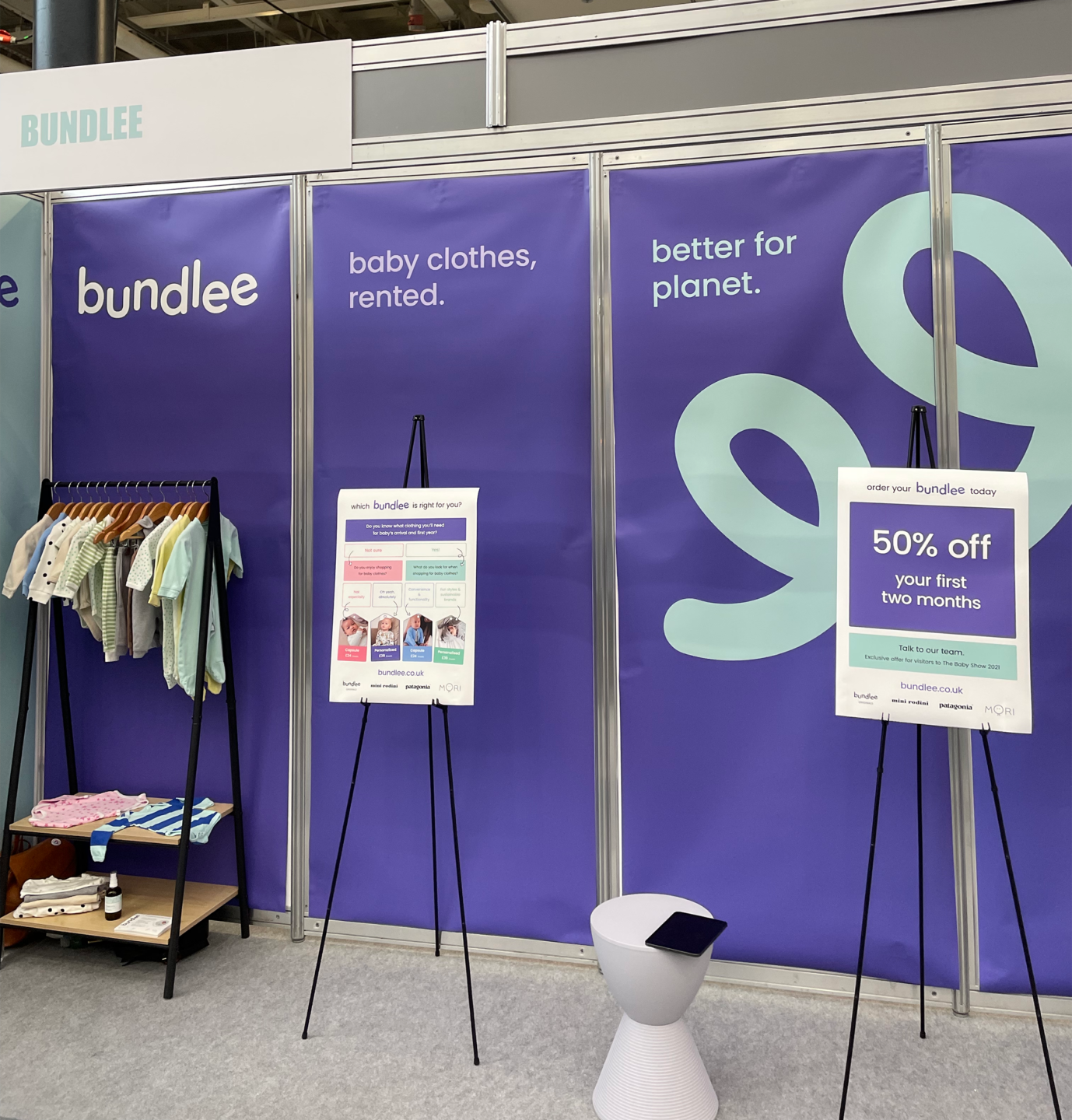
It's hardly a surprise, but the number one trend we observed is that sustainability is at the forefront of all modern businesses' minds. This trend is, of course, not confined to the childcare market—in fact it's about as universal as any trend you can think of—but there was hardly a single stall that wasn't in the process of at least a mild sustainable push. And the reasons are obvious too. We are at a crunch point in history. Companies aren't stupid. They recognise that they need to adapt or get left behind.
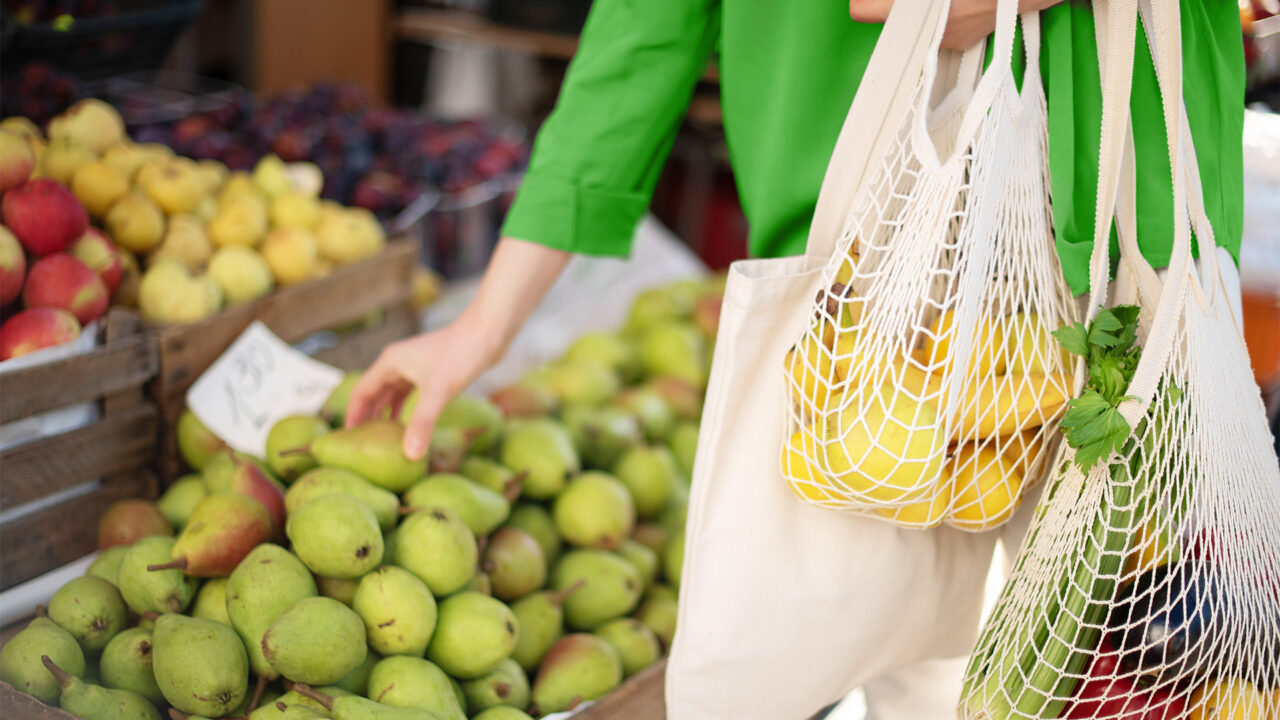
What really stood out at the Baby Show was the diversity of approaches to increasing sustainability. From choice of material—bamboo was everywhere, even in sustainable nappies—to cutting out wastage. We were especially impressed with Bundlee, a company dedicated to making baby clothes something you rent, rather than something you buy. Think about how quickly children grow. Think about the landfill crisis plaguing our planet. It's a simple idea that makes a great deal of sense.
2) Adaptability
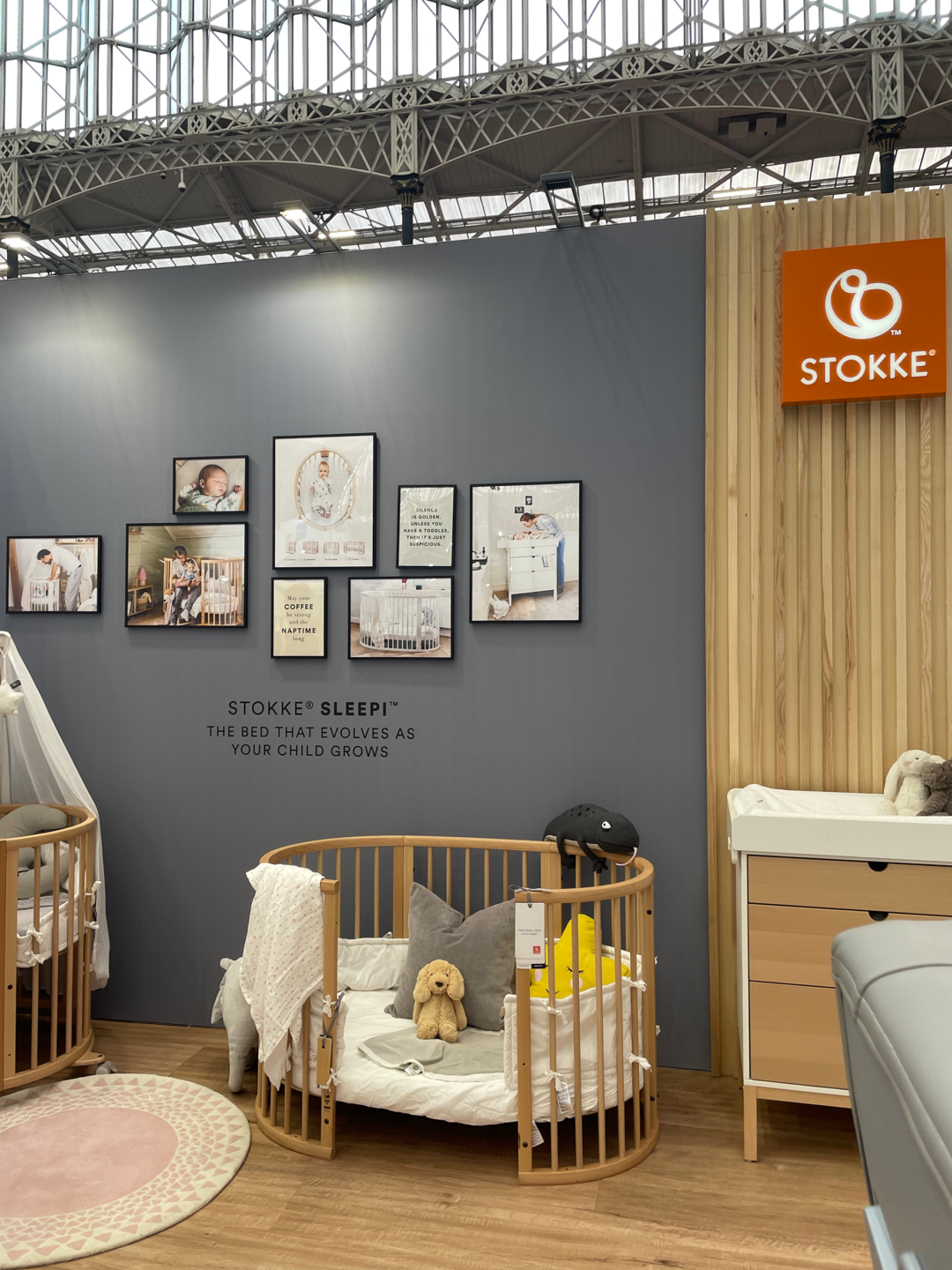
Bundlee wasn't the only company at the Baby Show to see that the buy product-->use product--> replace product--> buy new product--> repeat cycle is growing dated. People want to purchase products that have longevity, that can grow with them. This is especially true when it comes to childcare—the pure faff of endless replacement is a parental nightmare, and that's not even factoring in the monumental cost it brings with it.
Consequently, it should come as no surprise that durability and adaptability have become increasingly crucial selling points. This trend appeared most starkly when it came to bed frames. Many companies are now offering cots that, once your child has grown, can then be extended and folded out into beds, cutting out the need for instant replacement. Likewise, small beds for toddlers could all be lengthened, with most advertised as purchases that would last a decade.
It's convenient. It's cost-saving. It's ecologically responsible. And it's a clear trend that will likely only grow more prominent in coming years.
3) Neutral colours
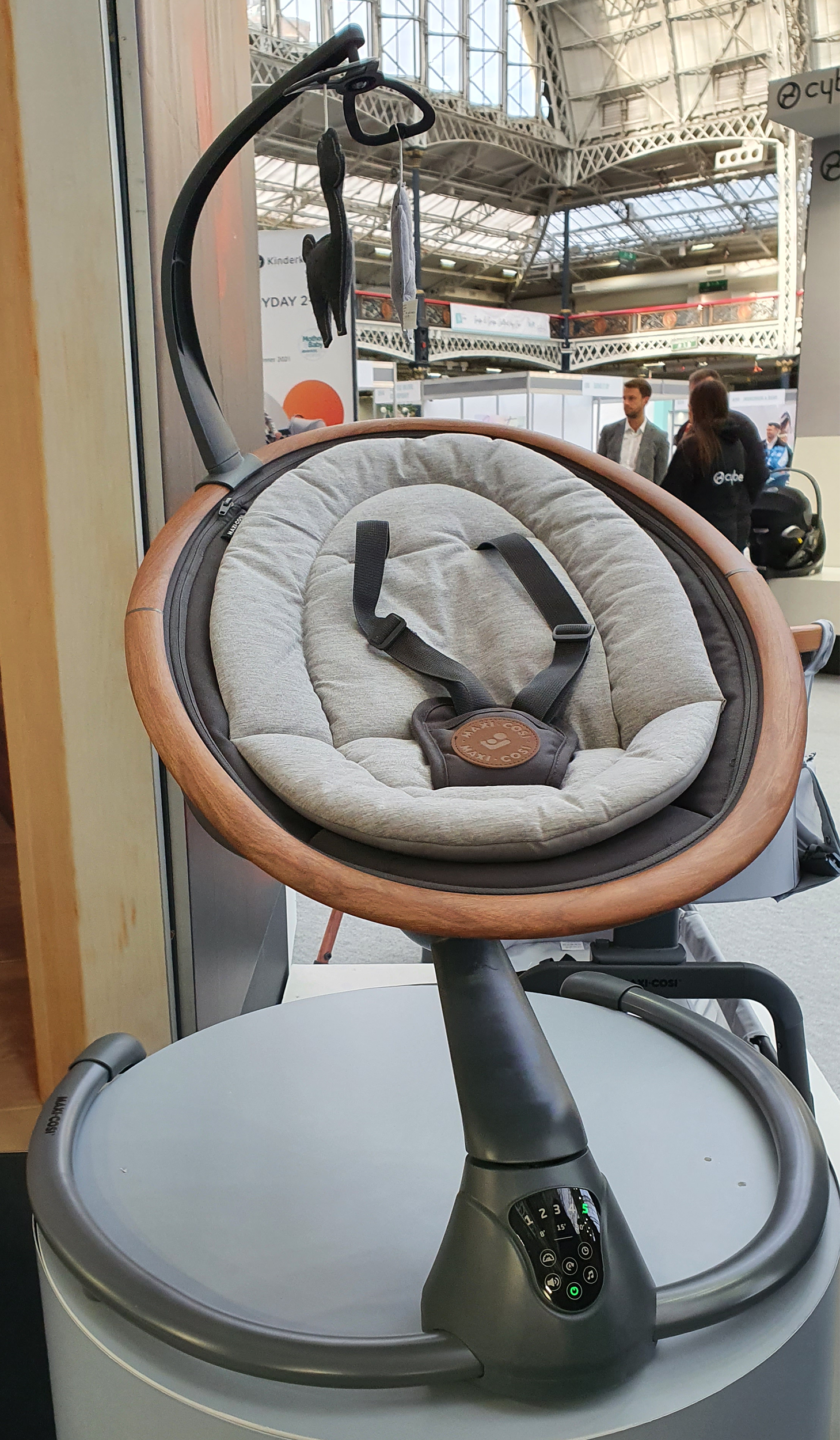
Pink for girls, blue for boys. It's been this way for as long as most of us can remember. Well, if the Baby Show is anything to go by, these longstanding colour customs are not just in the process of disappearing, but already evaporated.
Near enough every design, every product, every package at the Baby Show was coloured neutrally—creams, greys, beiges. The more clinical products were still pristine white, but anything that was once gendered seems to be no longer. This is not because the Baby Show at Kensington Olympia is notably invested in the ongoing culture wars around gender identity. It's simply that companies are seeing the trends from around the world and recognising that a bed, nappy, bottle or dummy needn't be expressly available to only half the population. Neutral colours are currently the way to go.
4) Healthy living
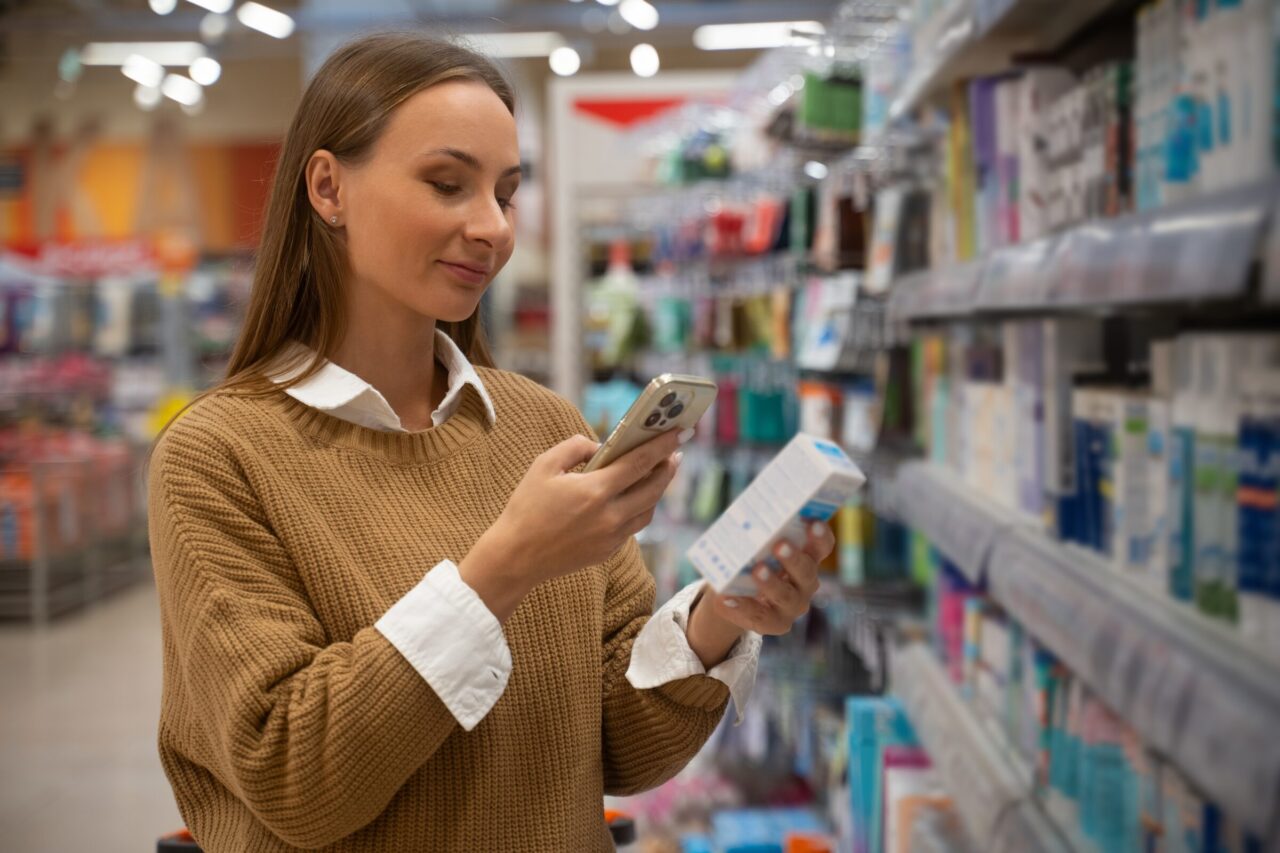
People are more health conscious now than they were back in the day. It's not true for everyone and it's not a judgement on generations past, but it is the case. Nutritional information is visible on almost all packaging, healthy ingredients are more easily obtainable, and people are simply paying greater attention to where the products they consume on a daily basis come from. The childcare world is no different.
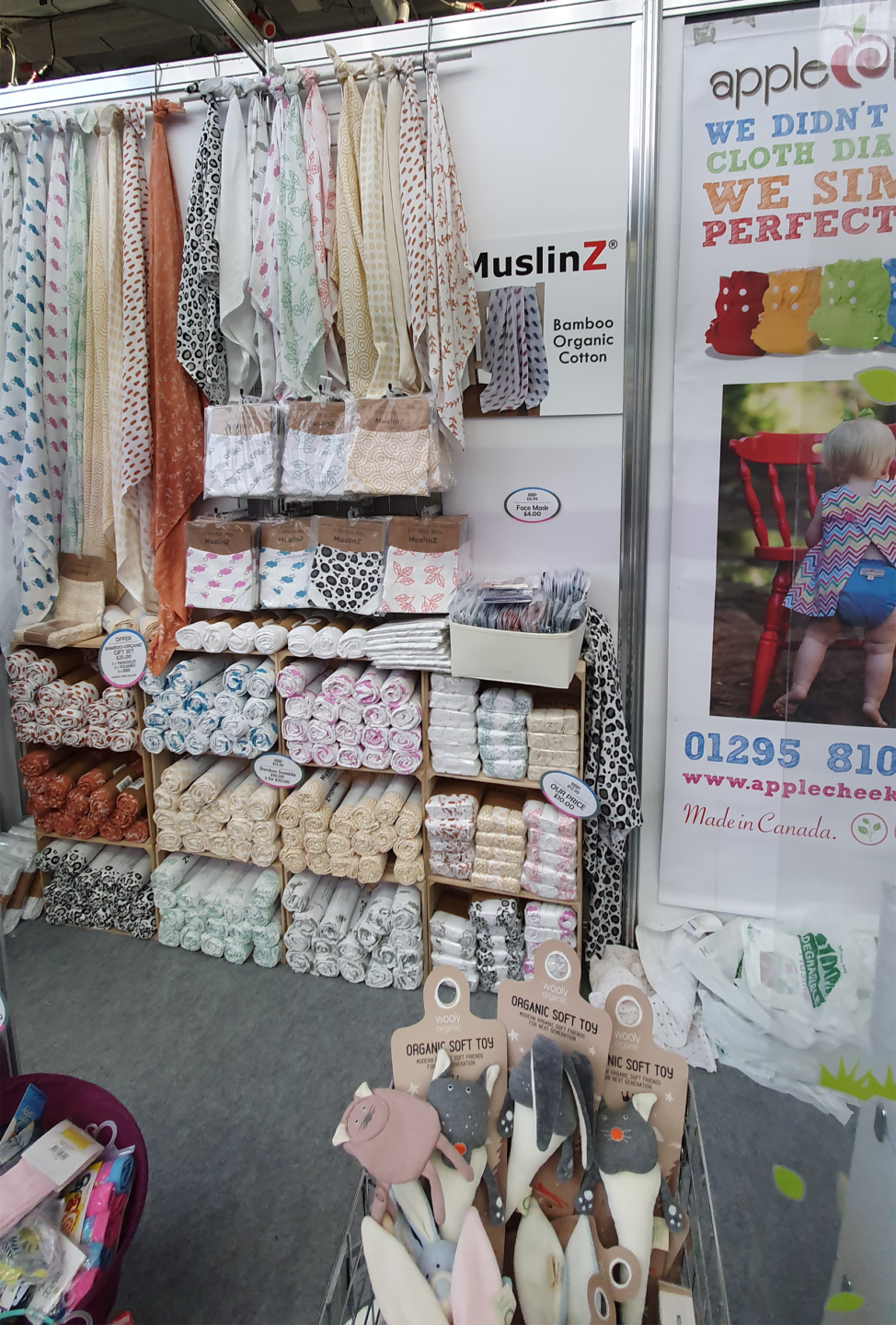
"Organic" was a term stamped across many a stall and product in Olympia, whether it was baby food, maternity teas designed around hormonal cycles, or materials used in clothing. It's clear that the childcare industry is paying close attention the fact that people want to know that what they're buying is sourced ethically and void of harmful chemicals or ingredients, especially if they're putting it in their bodies or their children's.
Businesses pay attention to what people pay attention to.
Key takeaways
The key trends we spotted at the Baby Show 2021 were adaptability and longevity becoming priorities in product design, gender neutral colouring displacing the traditional pink and blue of times gone by, and the increased importance of ensuring ingredients and materials are sourced organically. The clearest trend, though, was sustainability, which is at the centre of everything.
What that really shows is the way that societal trends tend to bleed into corporate ones.
Businesses can only ever exist within the confines of the culture around them. As such, while sustainability has become increasingly important to anyone with a stake in maintaining life on this planet, and consumers have grown more health-conscious and begun taking an interest in where their food and clothing is sourced, and traditional gender norms have been melted down into something more egalitarian, it's no surprise that companies have responded accordingly.
The childcare sector is in step with the world around it. If and when society's priorities shift, so too will the sector's. We will continue to follow the shifting trends and keep you posted all the way.