Good news, it's time for some more good news!
The Brightside Blogs may have taken a backseat lately, but the positive stories have continued to pour in. It can be easy to get bogged down thinking about the multitude of crises we face in the world today, so here's a little relief…

Can he fix it? Yes he can!
Down along the Eastern coast of Mexico, the sea washes in thousands of tons of sargassum seaweed – a particularly pungent plant. Typically it is all collected up by the government and taken to landfill or burnt… not such a happy story.
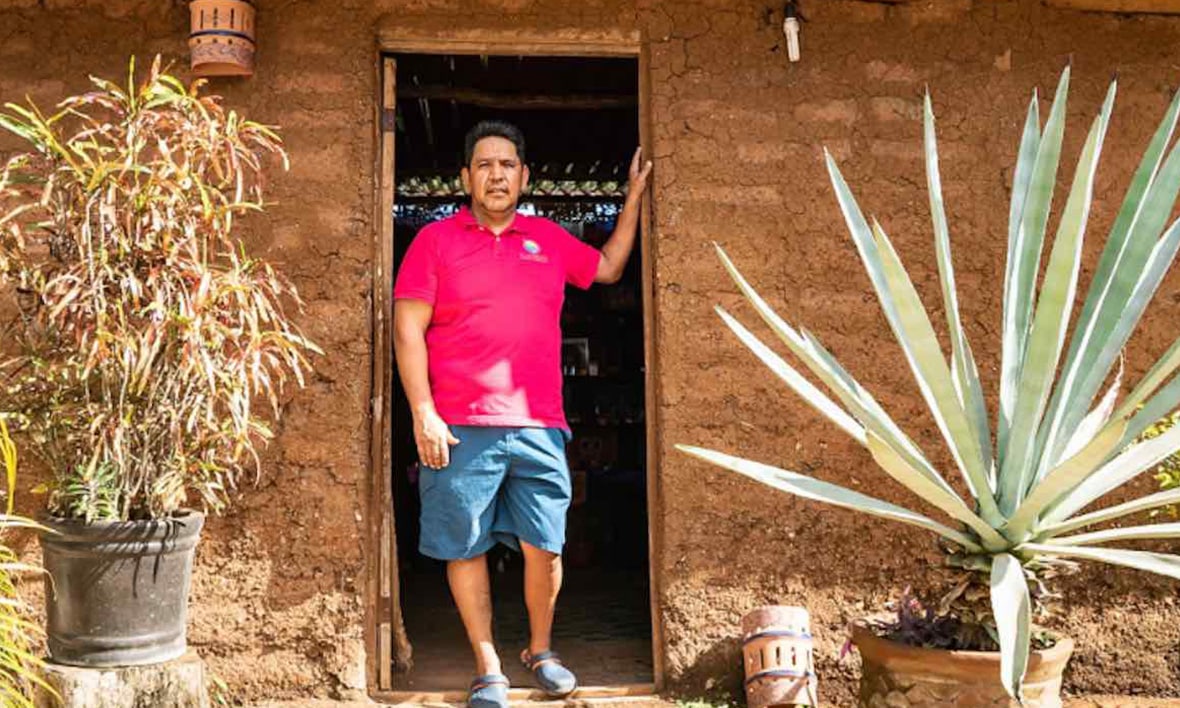
Thankfully, one entrepreneurial local, named Omar de Jesús Vazquez Sánchez, saw the swathes of seaweed as a chance to clean his beaches, build houses for those in need, and provide jobs for hundreds of people. His innovation? Making bricks out of the unwanted seaweed.
Sánchez's bricks, SargaBlocks, have an expected lifetime of 120 years — not too bad for some weeds that nobody wanted! So far he has been able to gift 14 houses, "casas angelitas" made from his SargaBlocks to families in need.The UN Development Program will feature SargaBlocks in their global broadcast, Accelerator Lab, in the hope that more people start thinking as creatively as Sánchez about how we can use natural pollutants as solutions rather than seeing them as problems.
Watery wonder
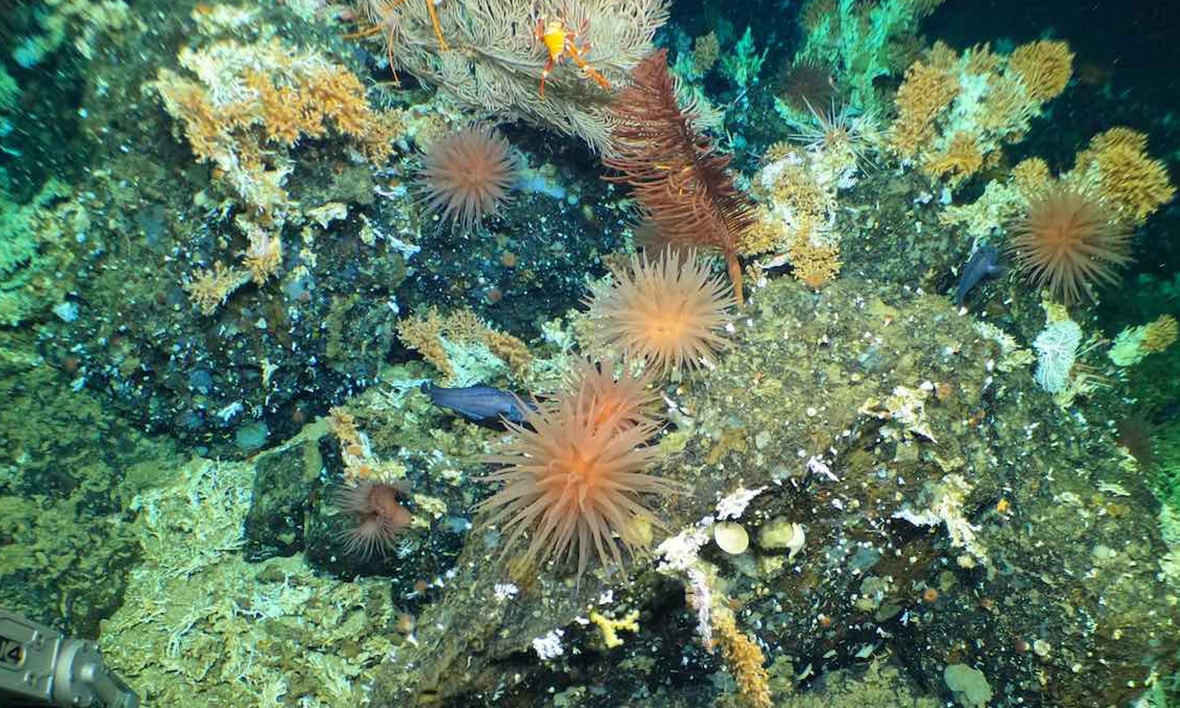
Let's dive a little deeper into the good news for the planet. Actually, let's dive 2000 feet deeper, to the ancient and extensive coral reefs scientists have just discovered in the Galápagos marine reserve.
Although this Ecuadorian reserve was established in 1998, these are the first deep-sea reefs to have been documented in the reserve since then. And they are flourishing with marine life.
After the 1982-83 El Niño event, it was believed that there were only a few surviving structural shallow coral reefs around the Galápagos Islands. This discovery is cause for a lot of hope and excitement and demonstrates that sheltered deep-water coral communities not only survived that ecological disaster but have likely existed for centuries.
Scientific findings such as this help inform effective management and conservation actions. And perhaps most exciting of all is the potential these reefs have for hosting rich, diverse, and potentially unique marine communities.We're just swimming in good news here, aren't we folks!
Flying high
Those of you looking for something super light-hearted will be soaring by the end of this story. The world records for both the furthest distance flown by a paper airplane, and the longest flight time for a paper airplane have been broken!
The designers, Dillon Ruble and Garrett Jensen, are sons of Boeing engineers — one could say they were born for this. But crediting this feat to their heritage would be an injustice to the long hours spent crafting origami, running flight simulations and practicing the perfect throw.
The best bit about this story is that they were only aiming for distance; there was never any intention to beat the longest airtime record. Ruble commented that to break that record they would have built an entirely different plane with a greater wingspan and a smaller aspect ratio. But who knows, maybe this will be their next creation.
Humans 1 – Mosquitos 0
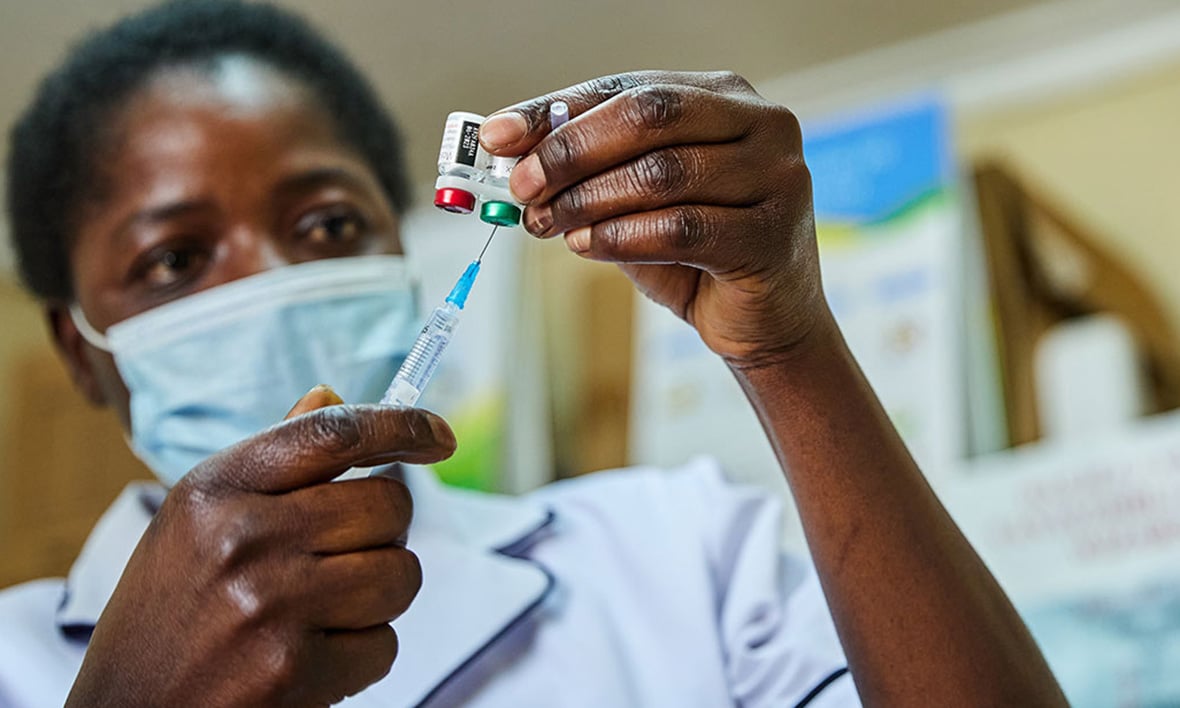
In the world of medicine, a much-anticipated vaccine for malaria has been approved. For over a century, scientists have been trying to create a malaria vaccine, and now 100-200 million doses are being prepared for use in Africa.
Developed by University of Oxford, the R21 immunisation vaccine will be administered to infants between 5 months and 3 years of age in Ghana and Nigeria. It has an 80% efficacy rating and is expected to have a significant impact in reducing infant malaria mortality rates.
Together, Ghana and Nigeria make up a quarter of the GDP of Africa, and have two of the biggest West African economies. A factory in Accra, Ghana, is being constructed for the manufacture of the vaccines for only a few dollars per dose.
It is exciting to see these two countries at the forefront of the immunisation roll outs, which we hope will quickly catch on in other malaria hotspots globally.

An Alaskan adventure
What better way to end this news round-up than with a truly heart-warming story about a lost dog who finds his way home again? I'll tell you how. The same story, except this brave dog trekked 150 miles across the Alaskan tundra to be reunited with his family.
The story starts off with a family trip to visit an uncle in Savoonga, Alaska. Naturally their three dogs, being part of the family, went along too. The uncle also has a dog, called Ghost, who regularly leaves home for several days at a time. And this time he took two of his new canine friends along with him.
But Nanuq and Starlight are not as familiar with this frozen landscape as Ghost is. Their family grew concerned as days passed with no sign of either dog. Two and a half weeks later, Starlight returned home, but sadly Nanuq was still missing. Was he still out there? How was he surviving all alone in the wilderness?
Don't panic. We promised you a good news story, didn't we?
One month after the three dogs set out, Nanuq appeared in a tiny town 166 miles away. The Australian shepherd, named after the Siberian Yupik word for 'polar bear', had proven to be the ultimate adventurer, with survival skills rivalling those of Bear Grylls.Nanuq likely found himself adrift on some shifting ice whilst he was hunting, and survived by eating seals and birds. He returned healthy and almost unscathed, save for a bite mark on his leg. Whatever occurred during that month alone is between Nanuq and the ice. We're just glad that he is safe and back with his family.
Ta ta for now!
And that is the end of our favourite good news stories this week. Thanks for joining us on this happy little journey! We hope your day feels a bit brighter and you remember that every day, beautiful events, both big and small, are happening all around us. Tune in again soon for your next fix of dopamine!