Hello! And welcome to the return, after a brief intermission, of the Brightside blog! Keen-eyed fans will have no doubt noticed that we took a month off in October, so let me start by apologising to any readers who have spent the past 60 days sat resolutely at your desks manically refreshing the Point 6 LinkedIn page in desperate need of some positive global news content presented in a listed format. Don't worry. It will all be okay. We're here now.
We're back with some of the best and brightest stories humanity has had to offer over the past couple of months. So if your cheeks are tight, give them a little rub now, because we wouldn't want you to tweak any face muscles when that grand ole smile comes a 'calling.
Enough pre-amble. Onto the good stuff.

Pod Squad
Haringey Council and Hill Group, with funding help from the Greater London Authority, have built thirty-three new homes on disused, council-owned land in Haringey to help London's rough sleepers.
The project, named the SoloHaus modular solution is part of a £15 million commitment by the council to provide a total of 200 housing units over the next five years in a bid to provide some shelter to those most in need.
The pods don't use gas, are operated with air source heat pumps and electric-powered air, and cost around £5 per week to run, having been designed to be as energy-efficient and cost-effective as possible.
There is also an office on site where residents can access support from the council's homeless programme because it's important that we don't just help people off the streets but provide the support to keep them off the streets. The absolute minimum everyone deserves is to have a roof over their head. It's good to see more being done to help those struggling, especially as we approach a harsh winter.
The hope is that these initial pods will prove a success, paving a way for new ones to open up in other London boroughs soon.
Mind leading the blind
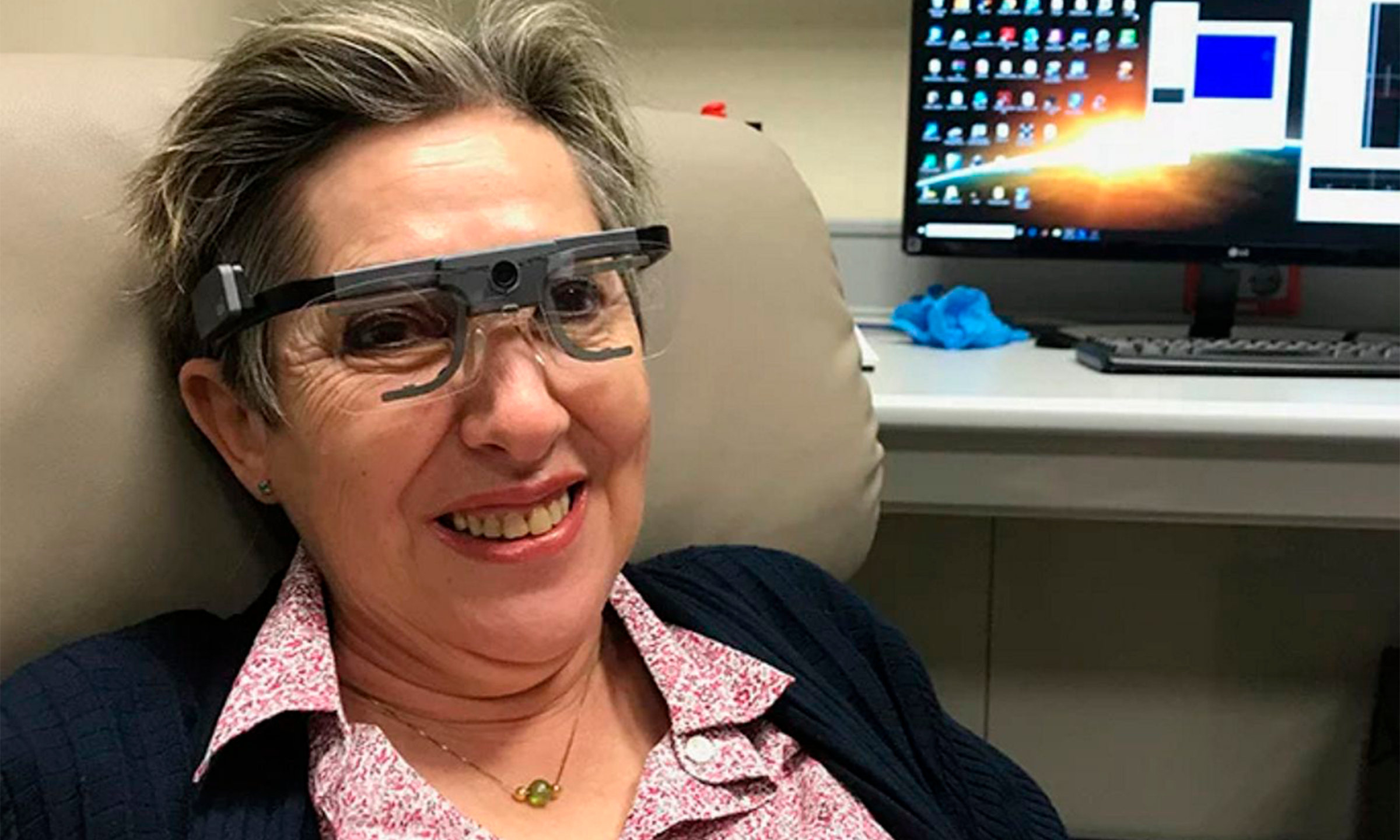
A former science teacher who had been blind for 16 years had her sight restored to the point she could see letters, discern objects' edges and even play a specially designed Simpsons video game. How? A neurosurgeon implanted a microelectrode array into her visual cortex and paired it with a video camera mounted in the lens of some high-tech glasses.
Put more simply, a blind woman was given glasses that allowed her to see. The camera feeds visual information directly to the brain and after a training period Berna Gómez, the teacher undergoing this experiment, was able to decipher visual information for the first time in 16 years.
The study was conducted by researchers from the U.S. and Spain. Though the glasses don't give enough vision to see clearly, Ms Gómez was able to identify certain letters and pick out in which hand Maggie Simpson was holding a gun as part of a video game test used in the training—because even in the most wholesome of American activities, firearms are never far away.
The ultimate aim of the research is to provide enough visual information to those using the glasses that they can identify people, cars or doorways easily, essentially increasing the independence of the blind community while enhancing their safety.
The research was a roaring success and the hope is that it's just the first step towards restoring vision to the roughly 148 million people worldwide currently suffering from some form of blindness.
Baby, you can drive my bar(k)
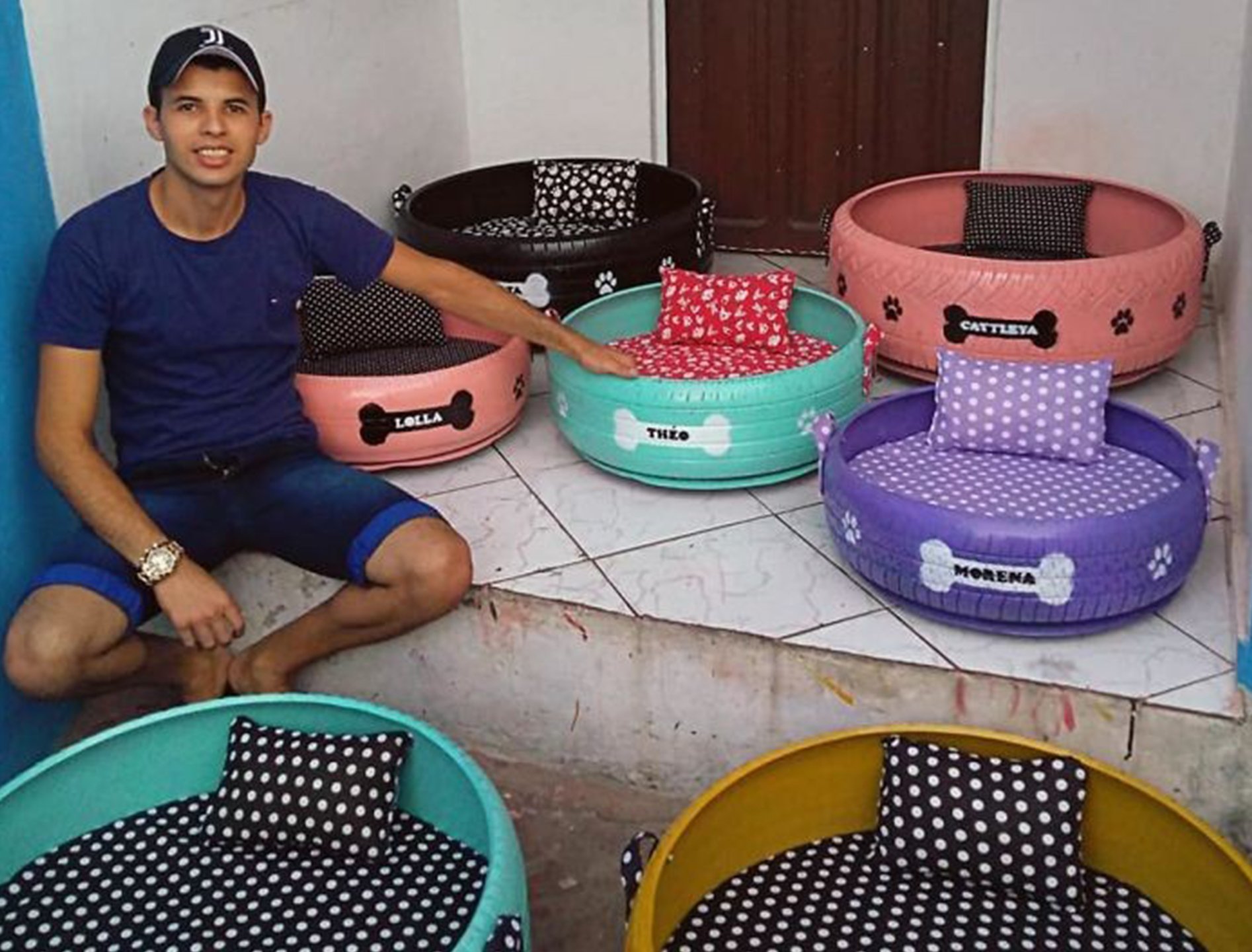
What would you do if you stumbled upon an abandoned pile of used tyres in your village? Walk right by? Have a gander at whether you can make a few bob offloading them on eBay? Call Michael Bay in the hope of inspiring the plot of a monstrous new Transformers spin-off?
Well, if you're Aramildo Silvo Filho, what you do is you take the tyres and use your artistic ability to transform them into something a little more special: stylised beds for stray cats and dogs.
The Brazilian gave the tyres custom paint jobs, paired them with hand-sewn mattresses, and voila, a new eco-conscious, animal-loving venture was born. Filho only wanted to help some animals in need and reduce needless waste; he ended up starting a business, with more than 6000 beds and counting having been created due to the growing demand.
They look amazing, and it's nice knowing that Filho's local cats and dogs now each have a tyre for when they tire.
Dish wish
When I was twelve years old, I had few cares other than whether I was able to play legendary on Guitar Hero 3: Legends of Rock and whether my whiteheads were noticeable (I was and they were). I was lucky. Abraham Olagbegi was less so.
At 12 years old, the Mississippi resident was diagnosed with a rare blood disease that required a bone marrow transplant to avoid proving fatal. It must have been unthinkable. More unthinkable, though, was what came next.
Now thirteen, on the back of a successful transplant and an intense schedule of chemotherapy, Abraham's prognosis looks promising. But that's not the only good news.
Over the course of his illness, Abraham learned that he qualified as a recipient for Make-A-Wish, the charity whose purpose is to make the wishes of severely ill children around the world come true. And rather than wish for something crass and materialistic for himself, like most 13-year-olds—myself definitely included—would have done, Abraham wished a little bigger…
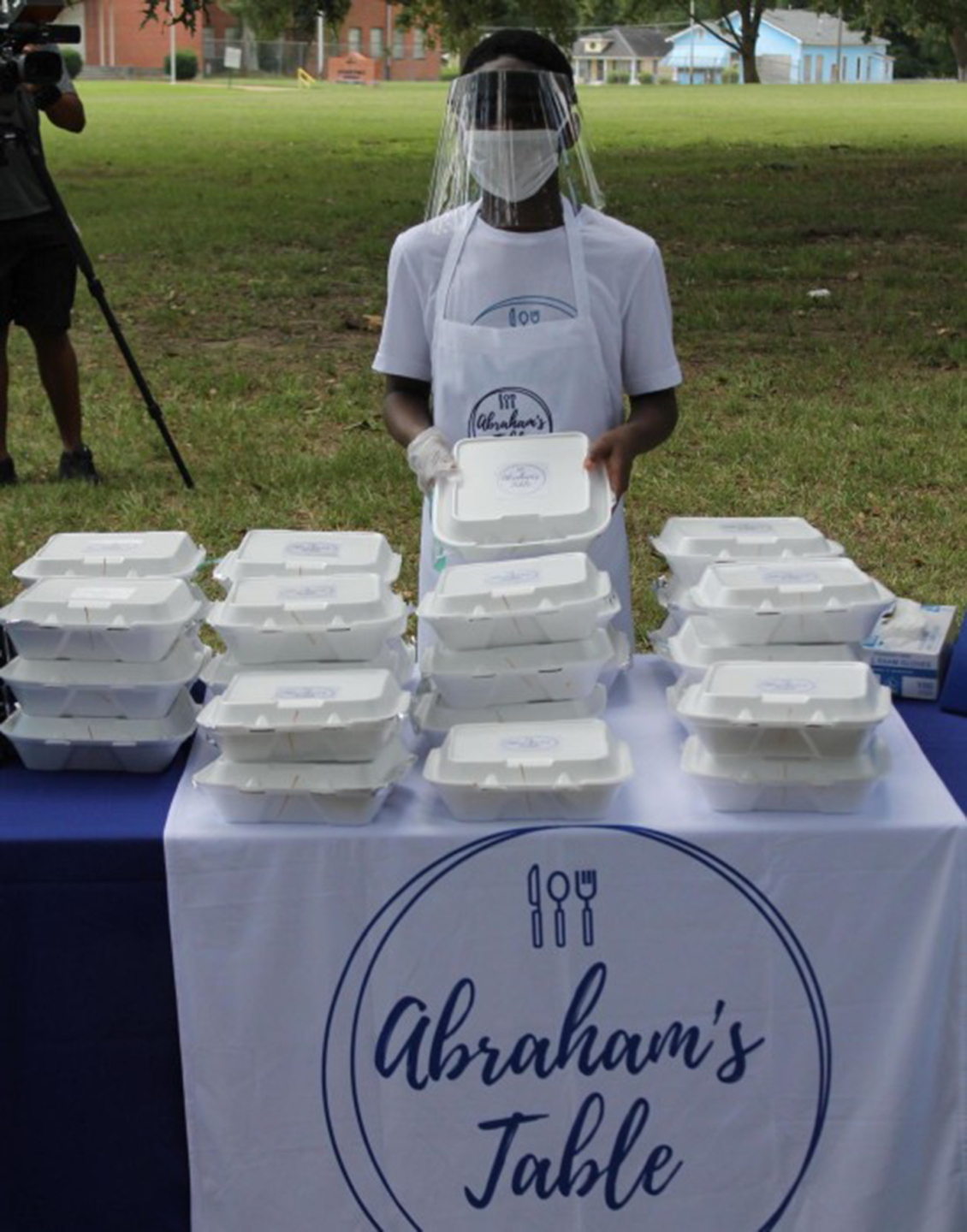
Abraham's wish was to feed the homeless in his area one day a month for an entire year. And the charity made that dream come true.
On the third Tuesday of every month, Make-A-Wish's Mississippi branch gets to work helping Abraham coordinate with local organisations to feed up to 80 homeless people at a time in Pointdexter Park, Jackson.
"My parents always taught us that it's a blessing to be a blessing," Abraham told CBS news. We're all blessed to have people like Abraham in the world.
Coral fibre
We like the planet. It's where we live. And since we at Point 6 don't have billions to invest in a megalomaniacal space race, it's where we're staying. So it's great to get some rare good news about the state of our home.
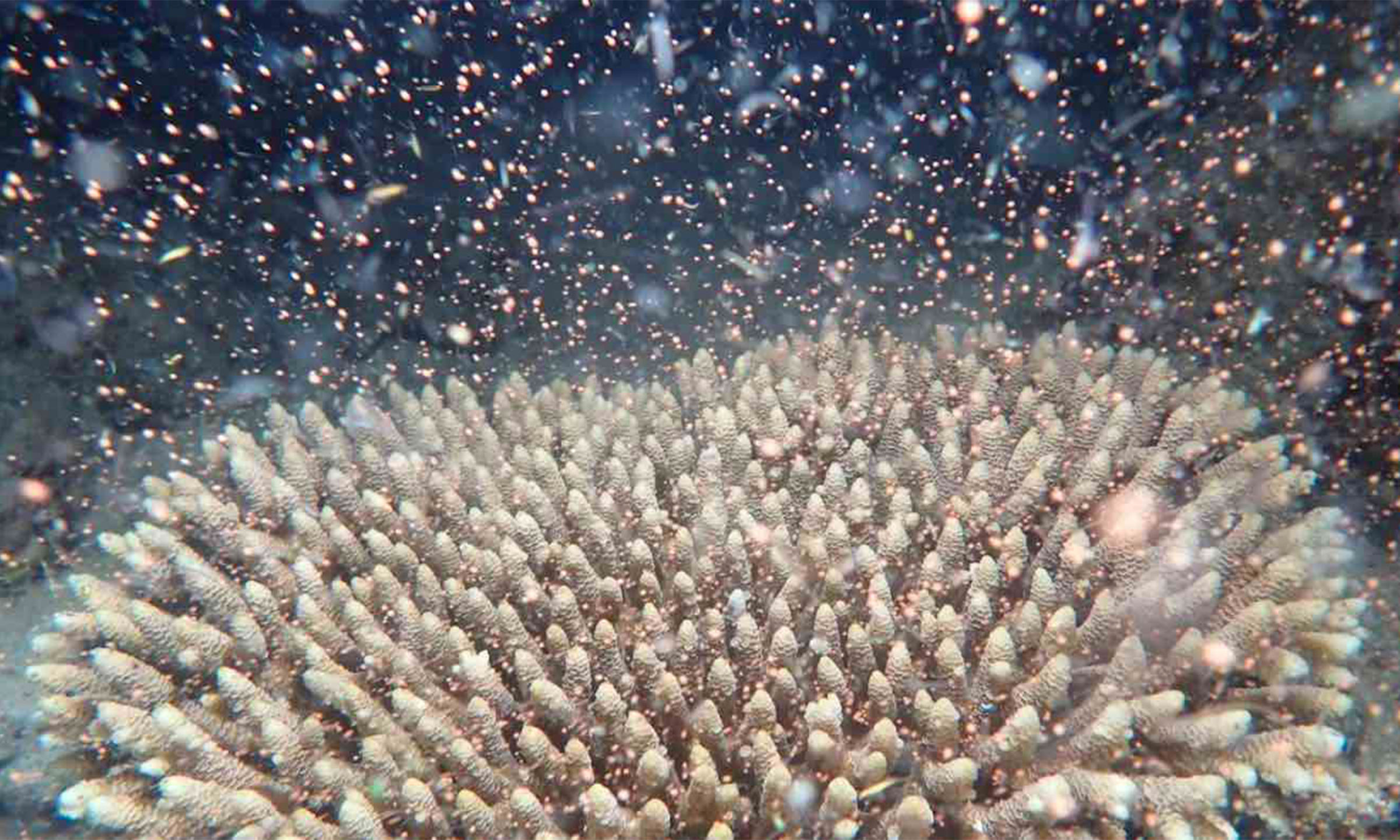
Last week, oceanographers reporting on the annual coral spawning in the Great Barrier Reef found cause for celebration and hope in a banner year for coral reproduction.
After a difficult few years for the reef, the billions of new coral babies born this week were a sign that the reef is on a road to ecological recovery, as well as being a wondrously colourful visual spectacle.
It can so often feel like we (understandably) only hear negative news about the way Earth is going, so this fresh spawning of life from the coral reef comes as welcome relief. Fingers crossed there's a bit of fight in this old planet yet.
Have a great month, stay safe and we'll catch you next time. Can't wait that long? We understand. Get your chops around this in the meantime...